




Sustainable coffee farming is becoming as important to specialty coffee drinkers as the brew itself. A November 4, 2026 press release from Arfak, Indonesia highlights how indigenous growers in Southeast Asia protect forests while building livelihoods. Moreover, it draws a line between farmers in the Philippines and those in West Papua.
Coffee culture is growing across the region
Coffee has become more than a daily drink in the Philippines and Indonesia, as cafés and specialty shops multiply. Consumers are also asking more questions about bean origins. Therefore, interest is rising in coffee that supports local communities and protects ecosystems. The release projects the Philippine coffee market to grow by 14.26% by 2027.
Igorot farmers and heirloom Arabica
In the Philippines’ northern highlands, indigenous Igorot farmers grow heirloom Arabica varieties such as Typica, Bourbon, San Ramon and Mondo Novo. Similarly, they grow them alongside pine trees and shade crops, which keeps the forest cover intact.
The Arfak Mountains story
Another region is now gaining attention: the Arfak Mountains of West Papua, Indonesia. Indigenous communities grow Arabica there at 1,800 to 2,000 meters above sea level. In addition, the fertile soil and cool climate let the coffee grow without chemical fertilizers or synthetic pesticides.
Before 2018, coffee was rarely seen as a livelihood in Arfak. Many farmers kept only a tree or two, and some cut them down. Barto Inden, 28, who owns Kopi Anggi and works at the regency’s agriculture office, saw the change firsthand.
Coffee as landscape protection
Land clearing, heavy rainfall and illegal gold mining upstream raised the risk of landslides and damaged water sources. As a result, coffee cultivation became part of the response. Intercropping and avoiding land burning help coffee trees hold the soil together and preserve water catchment areas.
Mentorship from Bentara Papua
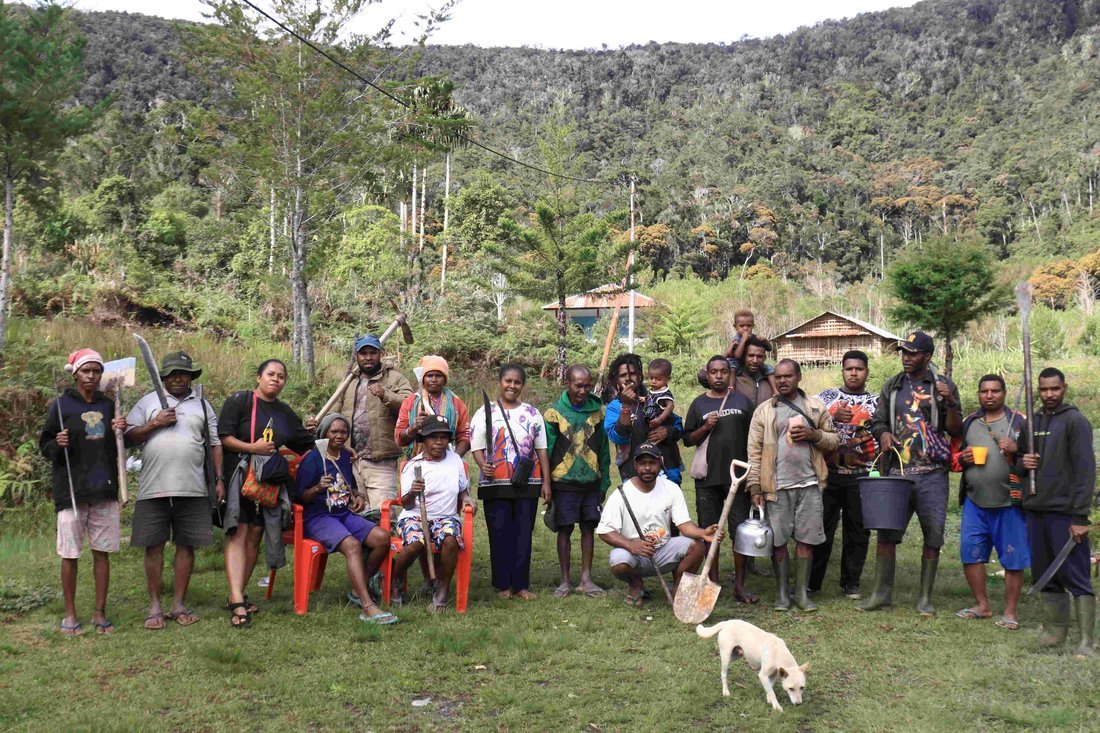
Bentara Papua joined the effort in 2019 and went beyond treating coffee as a commodity. Through long-term technical help, the organization worked with farmers to develop cultivation and processing practices that suit the Arfak Mountains. Furthermore, the release describes a shared learning process rather than a ready-made system.
Why it matters for coffee lovers
The two regions share a common approach: quality coffee, local livelihoods and protected natural resources. Consequently, sustainable coffee farming gives drinkers a story worth asking about at their next specialty café.


