




There is no better proof of a vehicle’s long-range capability than real roads, real conditions, and real owners behind the wheel. Two Filipino GAC Aion V owners — Romel Emperado and Rommel Laranjo — recently took their electric SUVs across the Philippines to prove that long-distance EV travel is not just possible here. It is already practical.
Romel Emperado: 1,492 km Across Three Island Groups
For Romel Emperado, the goal was simple: banish range anxiety for good. His journey covered 1,492 kilometers spanning Luzon, Visayas, and Mindanao — including stretches through Samar and Leyte, where public charging infrastructure is still developing.
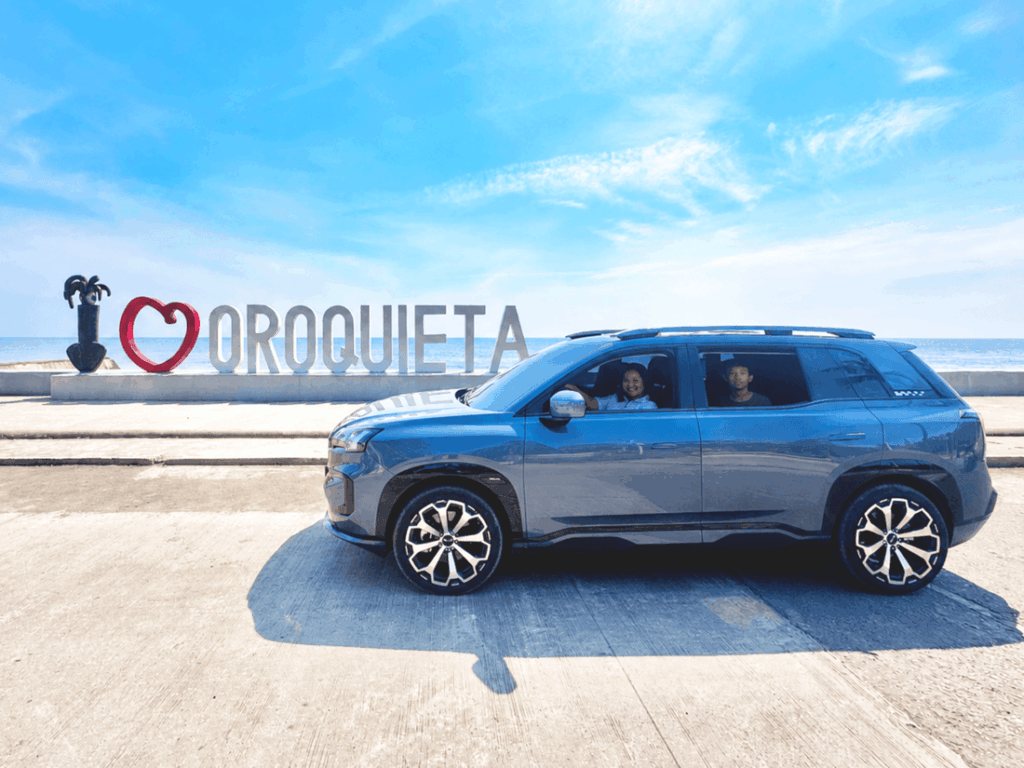
“I wanted to share this with the EV community to banish fear and range anxiety,” Emperado said. “People think a long-distance road trip like this is stressful, but it really wasn’t. I didn’t drive at night, so I wouldn’t have tiresome and sleepless nights. We just hung out at malls or slept at Airbnbs while the car charged.”
With a professional background in solar materials and technology, Emperado monitored his energy efficiency closely throughout the route. By combining single-pedal driving, regenerative braking, steady cruising speeds of 80–100 km/h, and power-saving mode, he recorded an average efficiency of 13.9 kWh/100 km — beating conservative estimates by over 20%.
The economic benefits were equally compelling. “Going from spending ₱9,000–₱10,000 a month on diesel to essentially free charging with my EVs made taking on this cross-country adventure a no-brainer,” he added.
Rommel Laranjo: Cebu to Mindanao Via RoRo Ferry
Meanwhile, Rommel Laranjo replaced a traditional diesel SUV with the GAC Aion V for both his 34-kilometer daily commute and his family’s inter-island travels. His cross-island trip from Cebu to Mindanao involved two RoRo (Roll-on/Roll-off) ferry passages — and proved that electric SUVs handle long travel days just as well as conventional vehicles.
“As long as it fits your budget, an EV is just so practical,” Laranjo said. “We used to spend up to ₱3,000 a week on fuel for our traditional cars, so switching to daily home charging and supplementing it with our solar setup made a huge difference.”
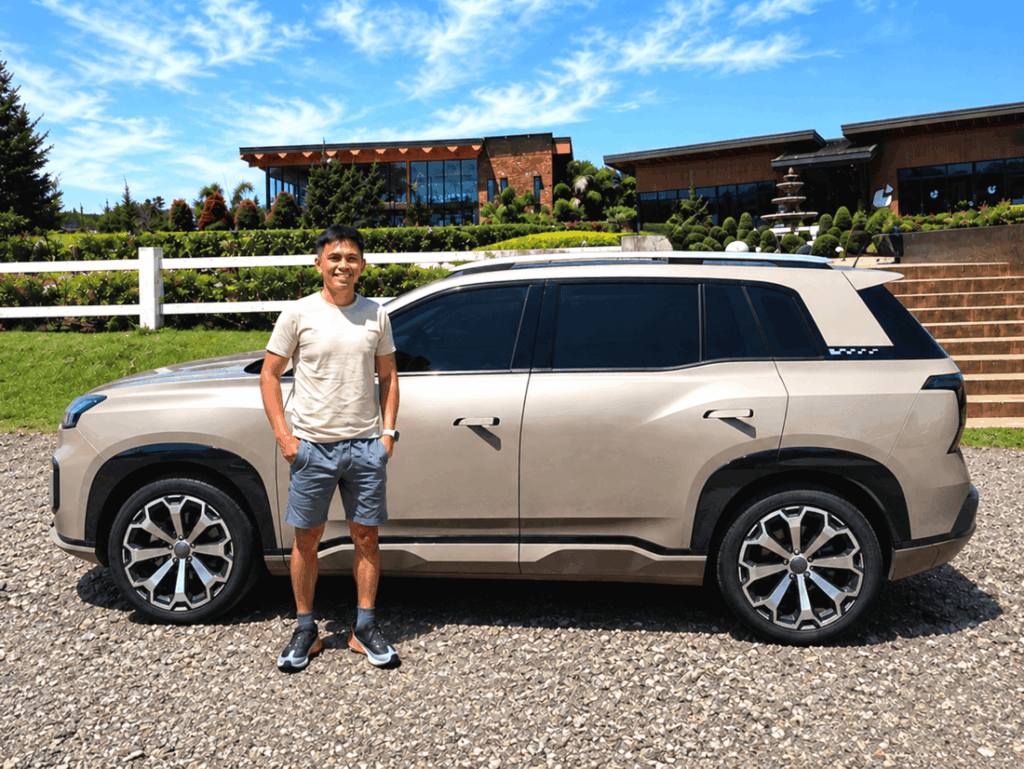
One of the standout moments of Laranjo’s trip came during extended ferry embarkation queues. With no internal combustion engine running, passengers stayed cool in the air-conditioned cabin without heavy power drain or exhaust fumes — a stark contrast to the experience in conventional cars.
“The car is smooth and responsive with great pickup, and we still made it home with 36% battery to spare, even with the air conditioning running the entire day,” Laranjo noted. He finished his journey with 183 km of remaining range.
What Filipino EV Owners Are Proving
Together, Emperado and Laranjo are showing the EV community something important: long-distance electric travel across the Philippine archipelago is no longer a future aspiration. It is happening right now, with the right vehicle and a bit of planning.
By combining home solar setups with convenient destination charging, both drivers demonstrate how accessible, versatile, and rewarding electric mobility can be on any Philippine road.
“We are grateful to GAC owners for sharing their cross-country experiences,” said Masato Katsumata, Chief Technology Officer of GAC International. “The AION V was designed around people’s real-world mobility needs, from everyday drives to longer journeys. Their trips across Luzon, Visayas, and Mindanao provide valuable insights beyond controlled test conditions, helping us continuously refine our vehicles for the way Filipino drivers actually travel.”
Experience the GAC Aion V for Yourself
Their journeys reflect the spirit of the #LifeWithGAC campaign — real owners, real roads, and real experiences that show how GAC vehicles fit into everyday Filipino life.
Visit one of 30 GAC dealerships nationwide or explore the full GAC new energy lineup at gacgroup.com/en-ph/test-drive. For the latest news and updates, follow @gacmotorph on Facebook and Instagram.