


In many densely populated cities, safety on public transportation is shaped by everyday experiences, not rare emergencies. Millions of passengers and drivers rely on public transport daily, making consistency and reliability essential.
In fast-growing urban markets, especially across South and Southeast Asia, transport demand often outpaces infrastructure. While some vehicles include safety features like SOS buttons, these are usually limited to premium segments and often function in isolation.
This gap highlights a growing need for everyday travel safety technology that works quietly in the background, supporting routine journeys without disruption.
Designing Safety as a System, Not a Button
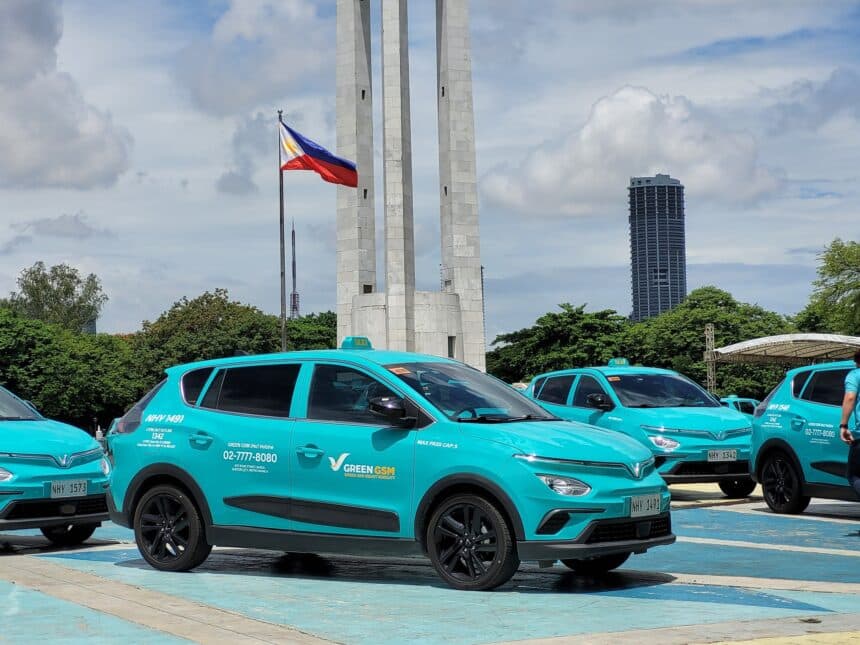
In the Philippines, Green GSM has adopted an integrated approach through its Secure-to-Safe (S2S) system. Instead of relying on a single emergency function, S2S embeds safety into daily operations across its taxi fleet.
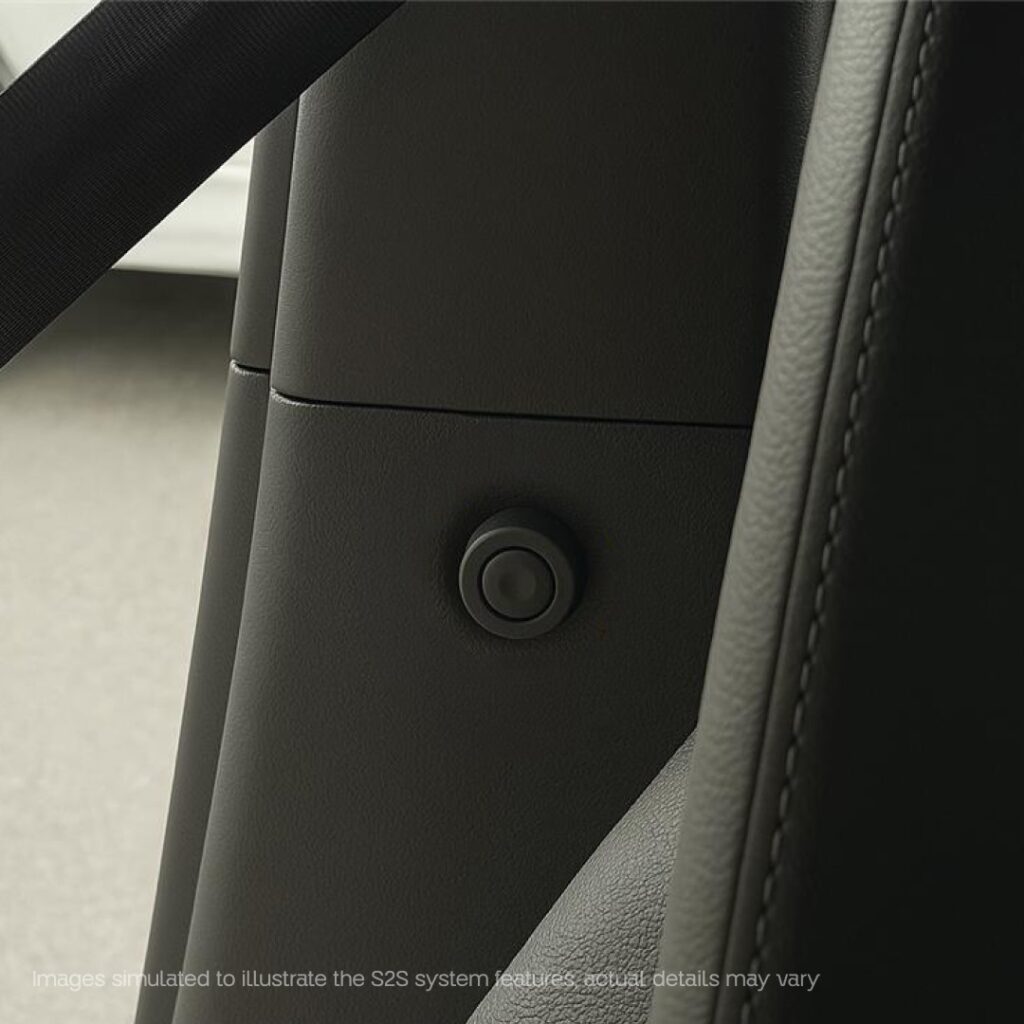
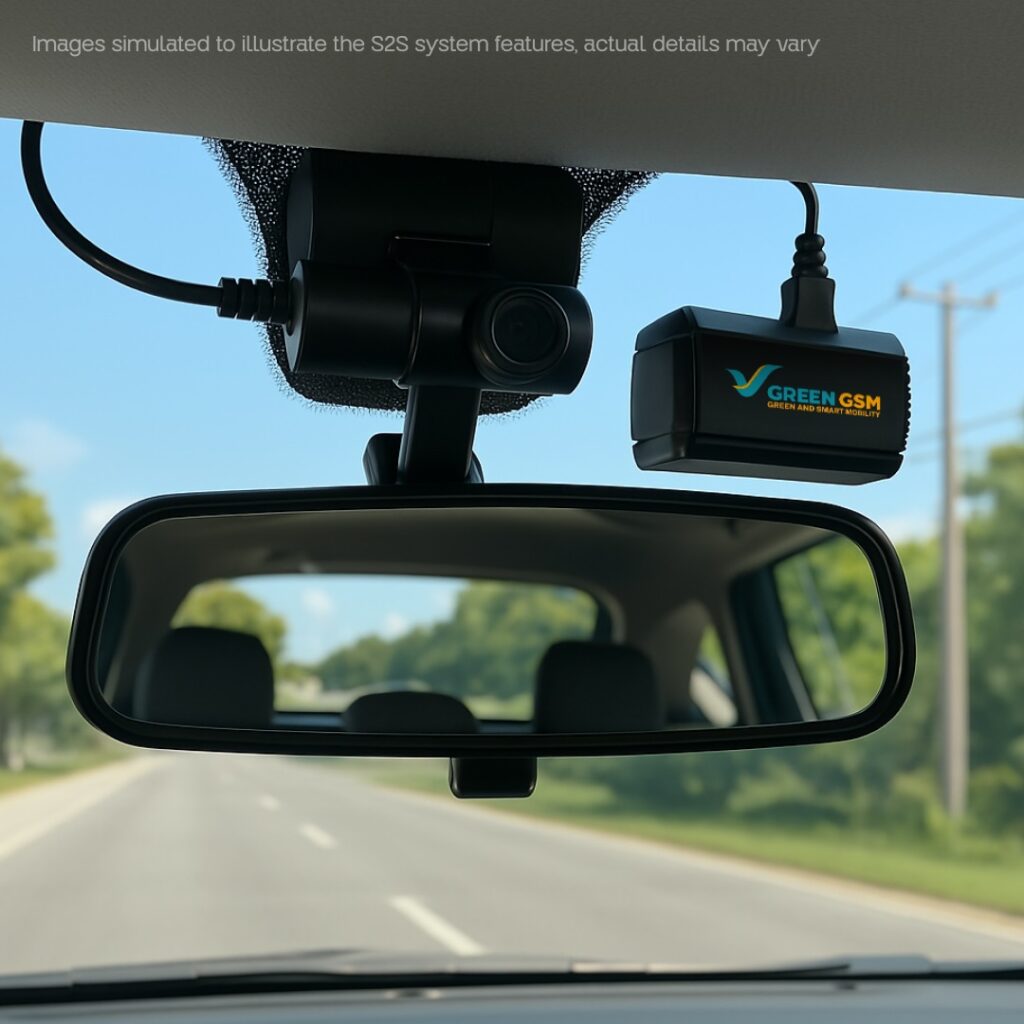
Each vehicle is equipped with interior and exterior cameras, dual emergency alert buttons for passengers and drivers, and real-time monitoring. When an alert is triggered, it connects directly to the operations center and activates predefined response protocols.
Depending on the situation, support may include customer assistance, coordination with nearby resources, or engagement with relevant authorities following established procedures.
Built to Protect Both Passengers and Drivers
A key principle of the S2S system is shared protection. Drivers have immediate access to an emergency button beneath the steering wheel. Passengers can discreetly activate theirs near the rear seat’s B-pillar.

This design reinforces the idea that everyday travel safety technology should protect everyone involved, not place responsibility on one side alone.
Clear systems also reduce uncertainty. For drivers, protocols remove guesswork during incidents. For passengers, consistency builds reassurance without altering the routine nature of travel.
Balancing Safety and Privacy
As safety technology advances, privacy remains a valid concern. Green GSM’s S2S system operates within defined boundaries. Recorded data is encrypted, retained only for a limited period, and accessed strictly through lawful requests.
These safeguards ensure accountability without crossing into surveillance. Technology supports trust rather than undermining it.
A Manila commuter summed it up simply: knowing the system is there makes the ride more comfortable. Drivers echo the same sentiment, noting that structured systems ensure they are not left alone during unusual situations.
Why Integrated Safety Builds Long-Term Trust
Over time, trust grows through predictability. When safety is embedded into daily operations, it becomes part of the service expectation rather than a marketing add-on.
Integrated systems like S2S do not eliminate risk or replace human judgment. Instead, they provide structure and support when uncertainty arises. As cities grow and mobility becomes more complex, designing safety into the journey itself becomes essential.
When that happens, confidence becomes a natural part of everyday travel—for both passengers and drivers.