



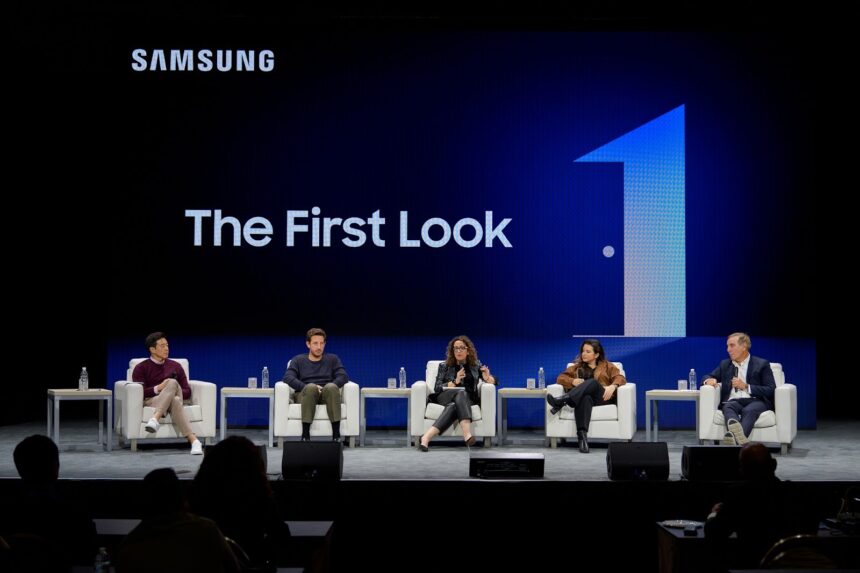
Samsung Electronics put trust, security, and privacy at the center of the AI conversation during its Samsung Tech Forum at CES 2026. Held at The Wynn in Las Vegas, the panel discussion titled “In Tech We Trust? Rethinking Security & Privacy in the AI Age” examined how confidence in AI systems is becoming essential as artificial intelligence blends seamlessly into daily life.
As AI platforms increasingly anticipate needs, automate routines, and operate across devices, Samsung emphasized that long-term adoption depends not on promises—but on transparent, secure, and user-controlled experiences.
Why Trust Is the New Foundation of AI
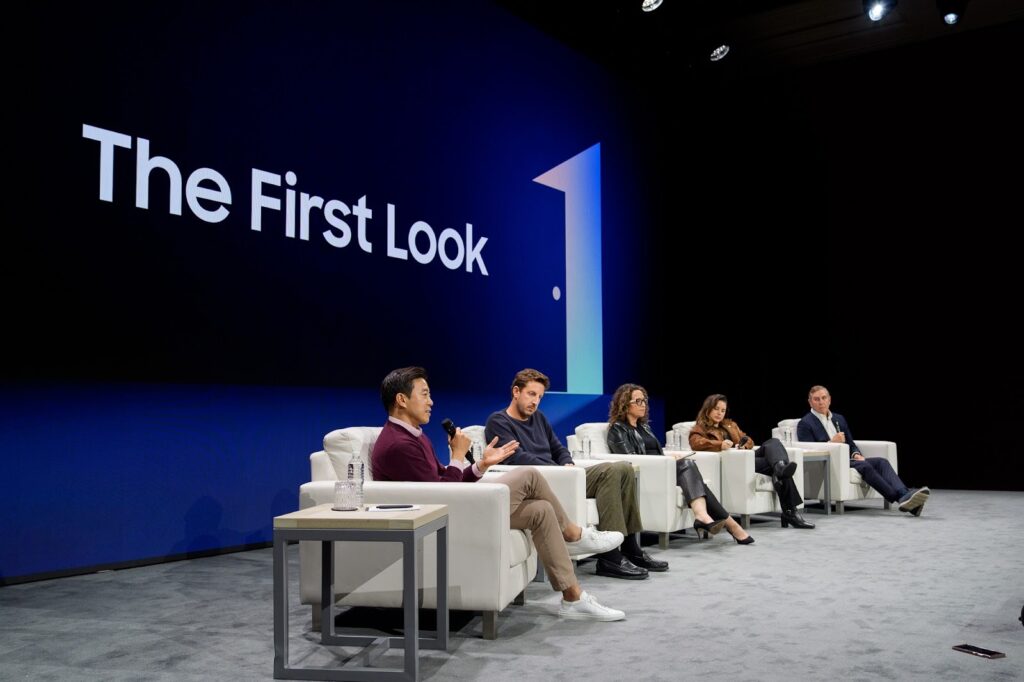
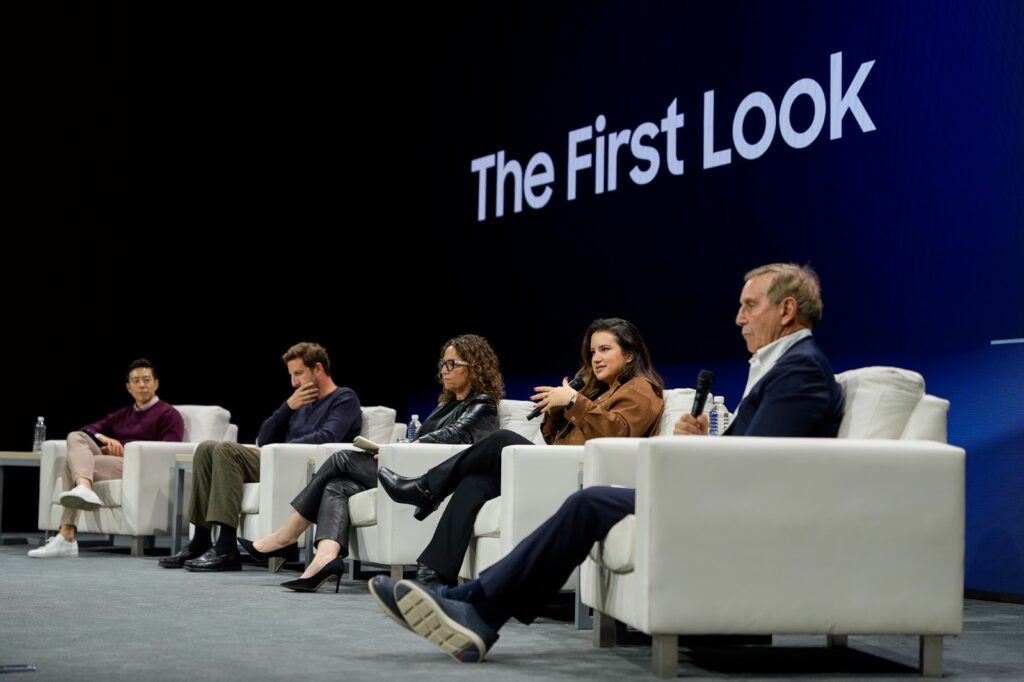
The Samsung AI trust CES 2026 discussion gathered leading voices from technology, ethics, and strategy to examine how trust influences user behavior. Panelists included Allie K. Miller of Open Machine, Amy Webb of the Future Today Strategy Group, Zack Kass of ZKAI Advisory, and Shin Baik of Samsung’s AI Platform Center.
Speakers agreed that AI must feel understandable and predictable. Users want clarity around how AI works, where data is processed, and how decisions are made—especially as AI becomes less visible and more autonomous.
Designing AI with Transparency and User Control
Samsung highlighted its trust-by-design approach, where clarity and control are built directly into AI systems. Panelists stressed that users want to know when AI is active, whether data is processed locally or in the cloud, and how their information is protected.
On-device AI plays a key role in this strategy. By processing data locally whenever possible, Samsung enables personalization while minimizing data exposure. Cloud intelligence is used selectively, allowing users to benefit from scale and speed without sacrificing privacy.
Security Built for an AI-Connected Ecosystem
As AI spreads across phones, TVs, and home appliances, Samsung underscored the need for security that works at the ecosystem level. At CES 2026, the company spotlighted Samsung Knox, its security platform that protects devices from the chipset up.
Samsung also introduced Knox Matrix, a cross-device security framework that allows connected devices to authenticate and protect one another. This creates a self-defending ecosystem where each device helps safeguard the rest, reinforcing trust as AI becomes more distributed.
A Cross-Industry View on Trust and Adoption
Panelists explored how trust intersects with real-world behavior. While transparency and security are essential, convenience still drives adoption. AI that simplifies daily tasks encourages engagement, but only when users feel confident their data is safe and systems are accountable.
Samsung also highlighted partnerships with industry leaders like Google and Microsoft to strengthen shared security research, interoperability, and responsible AI development across platforms.
Trust as the Future of AI Innovation
The Samsung AI trust CES 2026 discussion concluded with a clear message: AI that earns long-term trust will be designed with security, transparency, and meaningful user choice from the start.
As AI becomes increasingly invisible, Samsung continues to focus on making intelligence feel safe, understandable, and empowering—ensuring technology works for people, not the other way around.
Experience Samsung AI Innovations
Consumers can also join Samsung’s CES 2026 initiative for a chance to win a Samsung AI Appliance worth up to ₱52,999 by registering before January 22, 2026.